
Searching the Cortland Court Docket
Begin with the official JUSTICE One-Time Court Case Search. Type in a party name, citation, or case number, choose Gage County, and pick County Court for the traffic, infraction, ordinance, and misdemeanor matters that make up most Cortland cases. The result list lets you confirm the right case before opening the chronological Register of Actions.
Major civil filings, domestic matters, District Court appeals, and bound-over felonies live at the District Court level instead. Copy the case number exactly as it appears on screen. The city name is not a court filter. Also remember that a County Court result may be only the first stage of a felony case, so the level matters as much as the name.
- Search by party, citation, or case number.
- Select Gage County and the correct court level.
- Open the case Register and identify the newest event.
- Check the calendar and contact the clerk if a setting is uncertain.
Cortland Village Docket Route
Cortland is an incorporated village with a 2020 population of 504. It keeps no judicial database of its own. County Court jurisdiction covers city ordinance violations, traffic, infractions, and misdemeanors. That court plus the state tools publishing its case information form the practical local path for a docket search.
A Cortland name or ordinance reference can surface inside a case file. Even so, Gage County Court remains the office that holds it. A village administrative record is never a substitute for a court Register or a judgment. It cannot replace a certified copy of a case.
Cortland Municipal Court Basics
Cortland has no municipal judge, local courtroom, standalone calendar, or local pay portal. The county-court route runs through County Court Room 17 at 612 Grant Street in Beatrice. The number there is 402-223-1323. District Court records sit with the Clerk of the District Court. That office is Room 11, 402-223-1332.
Sharing one courthouse does not blur the two court levels. A Cortland ordinance stays in County Court. A routine citation file does too. A civil, domestic-relations, appeal, or bound-over felony record rests with District Court. Ask the clerk which court owns the document. Request the copy from that office.
Cortland Docket Search Portal
No Cortland-only search portal exists. JUSTICE is the path for the case record. The Multi-Court Case Calendar is the path for settings. In the calendar, choose County Court and Gage for a typical Cortland case. Then search by date or last name. The calendar offers no case-number-only search.
JUSTICE updates nightly. A fresh filing may miss a remote result for about 24 hours. A blank screen can also stem from a spelling error, the wrong court level, or a restricted record. An older paper file can do the same. It proves nothing about whether a Cortland court case exists.
Court Dates and Settings in Cortland
Before searching anything, read the time and place printed on the citation or notice. Nebraska law requires a citation to state the offense and the appearance information. The calendar can confirm a current or future setting. The Register shows a later reset, continuance, order, or hearing event. Anything still unclear should go to County Court for confirmation.
A reset is not a disposition. The newest court entry controls. When a calendar result comes back blank, compare the case Register with the paper notice. Then phone the clerk. Do not assume the hearing vanished.
| Date | The newest scheduled date in the court record. |
|---|---|
| Time | The entered setting time, subject to confirmation. |
| Courtroom | The location when provided in the calendar or case. |
| Judge | The judge identified by the record, if listed. |
| Setting Type | The event such as hearing, pretrial, trial, or review. |
Cortland Citation Search Steps
A paper citation carries the appearance information, so check it first. Next, find the court case in JUSTICE and check the calendar for the current setting. Nebraska ePayments works only for a waiverable citation. It is not the case Register. Paying there tells you nothing about whether an appearance is still required.
Lost the citation? Use the ePayments "let's chat" option or contact County Court. If the case will not come up, recheck the number, the payment branch, and the nightly delay. The court level matters too. The Gage County traffic tickets reference lays out the county-wide court-record route.
Traffic Tickets in Cortland
For a waiverable Cortland citation, read the ticket first, then use Nebraska ePayments. A citation that requires an appearance should never be paid before contacting the court. Check JUSTICE for the case record and the Multi-Court Calendar for a scheduled date.
County Court keeps the record of the citation. It also holds the plea or payment, the court setting, and the disposition. A village record or a public meeting document does not carry that judicial history. For payment, date, and copy questions, the County Court clerk is the right local fallback.
Cortland Court File Path
A Cortland court file follows a concrete sequence: citation or complaint, County Court entry, then a plea, payment, or hearing, and finally disposition. A felony takes a second route. After the preliminary process, the case moves from County Court entry through bind-over into a District Court trial file. The County Court Register may note the transfer. But the continuing case must be searched at the District Court level.
Docket flow: Cortland citation or complaint › Gage County Court › District Court after felony bind-over or when District Court jurisdiction applies.
Cortland Older Court Records
Working on an older Cortland case? Start with the County Court case number. Also note the document you need, then ask Room 17 for the file. Copies cost $0.25 per page, and a seal adds $1. That is the baseline for an official copy. There is no published Cortland-specific mail charge or certification schedule. So have the clerk quote those figures before any work starts.
Older files may sit on paper, card, or microfilm under Schedule 18. A public terminal or the clerk archive route beats guessing from a remote search alone. Also note the line between records. A court copy is one thing. A village administrative record is another.
Cortland Federal Docket Distinction
Not every case touching Cortland lives in the state system. A Gage County state case will never show up in federal PACER. When a matter is truly federal, it belongs to the U.S. District Court for the District of Nebraska. There, PACER handles public viewing and CM/ECF handles filing. Federal docket entries and case-number formats look nothing like a Nebraska JUSTICE Register. That separate route only matters if the case is federal.
The CourtListener and RECAP archive provides free access to many federal dockets and documents. Its coverage is not complete, though.
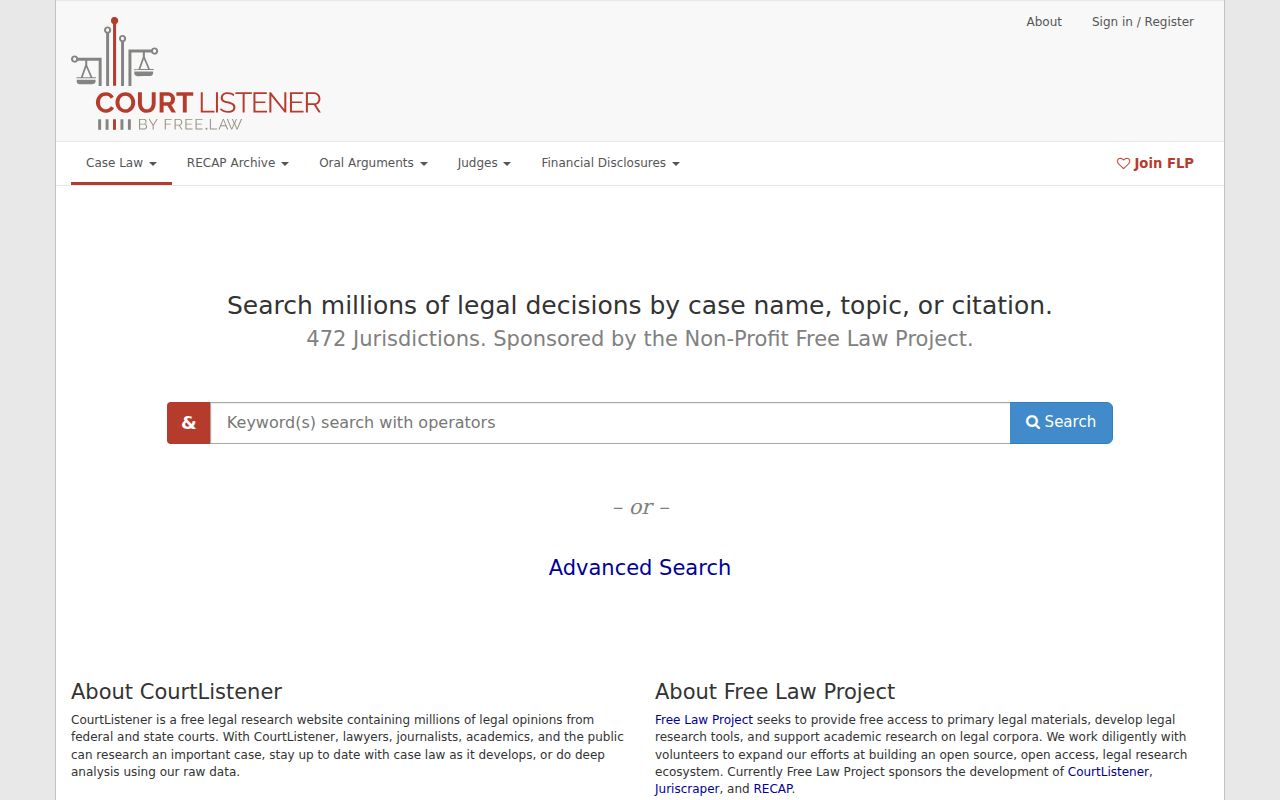
Check any important federal filing against PACER or the federal clerk, and never confuse it with a Cortland County Court record. PACER is the official federal court-record access system.
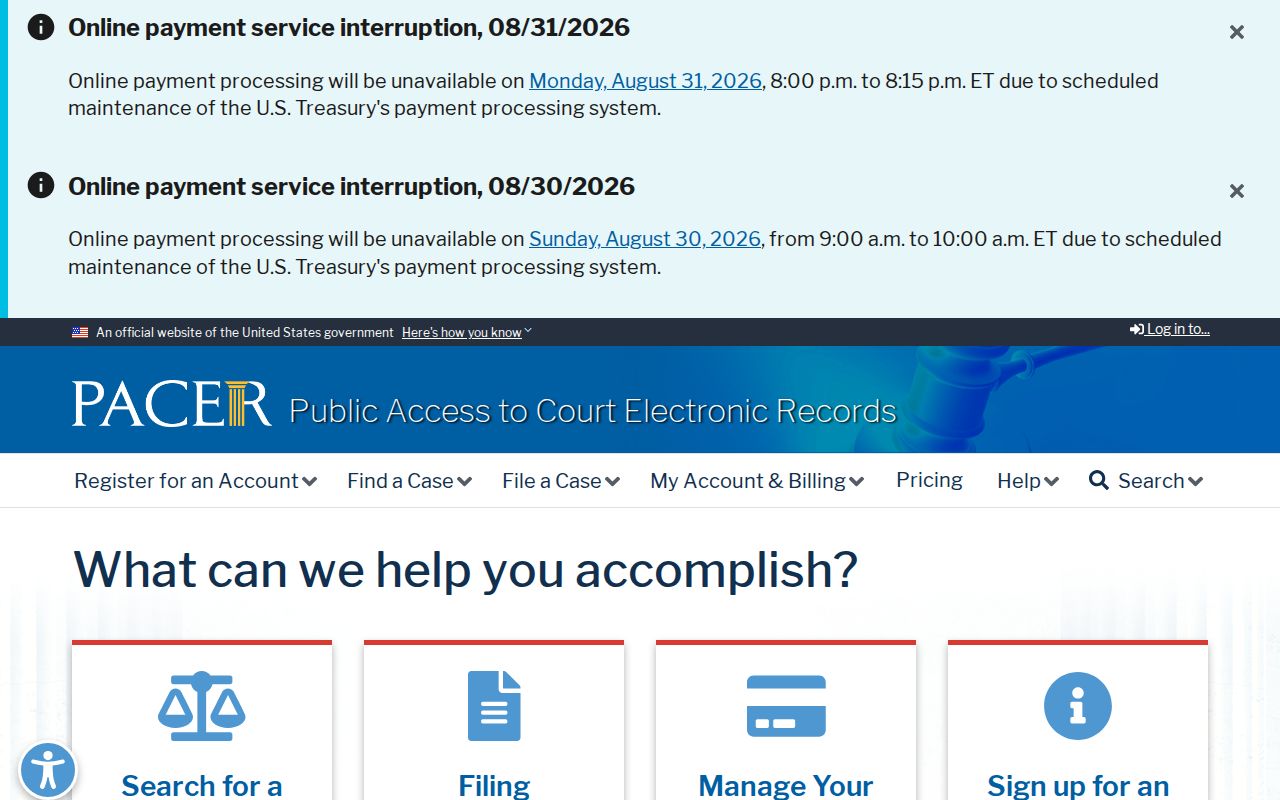
PACER handles federal cases only, so it cannot stand in for JUSTICE when you search a Cortland state-court docket.
Cortland Federal Record Costs
PACER pricing runs $0.10 per page for search results, documents, and case-specific reports, with a $3 cap on any document or case-specific report. Search results and non-case-specific reports carry no maximum. If your quarterly charges stay under $30, they are waived. Courthouse access and opinions are free. PACER pricing information lays out the current federal-access framework.
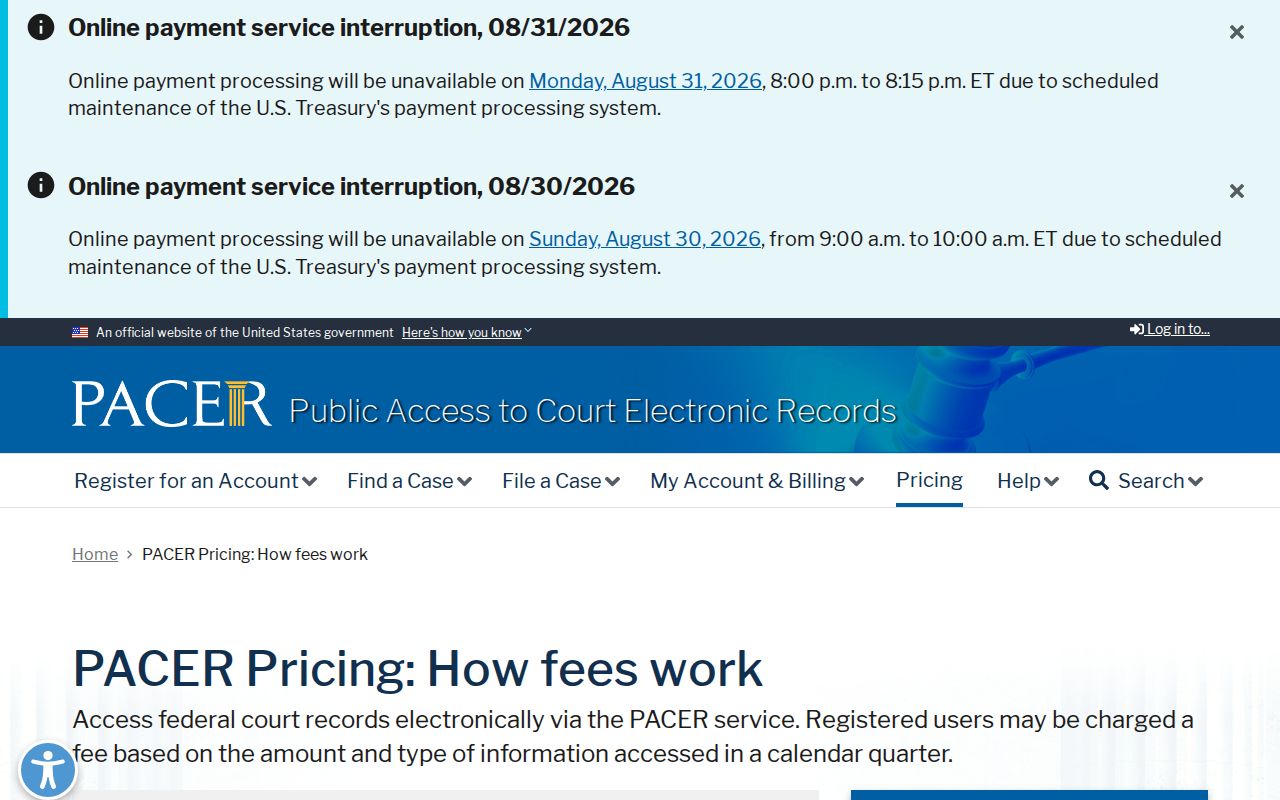
None of those federal charges affect a County Court copy quote for a Cortland state-court file. PACER access options covers courthouse access and court-specific exemption requests.
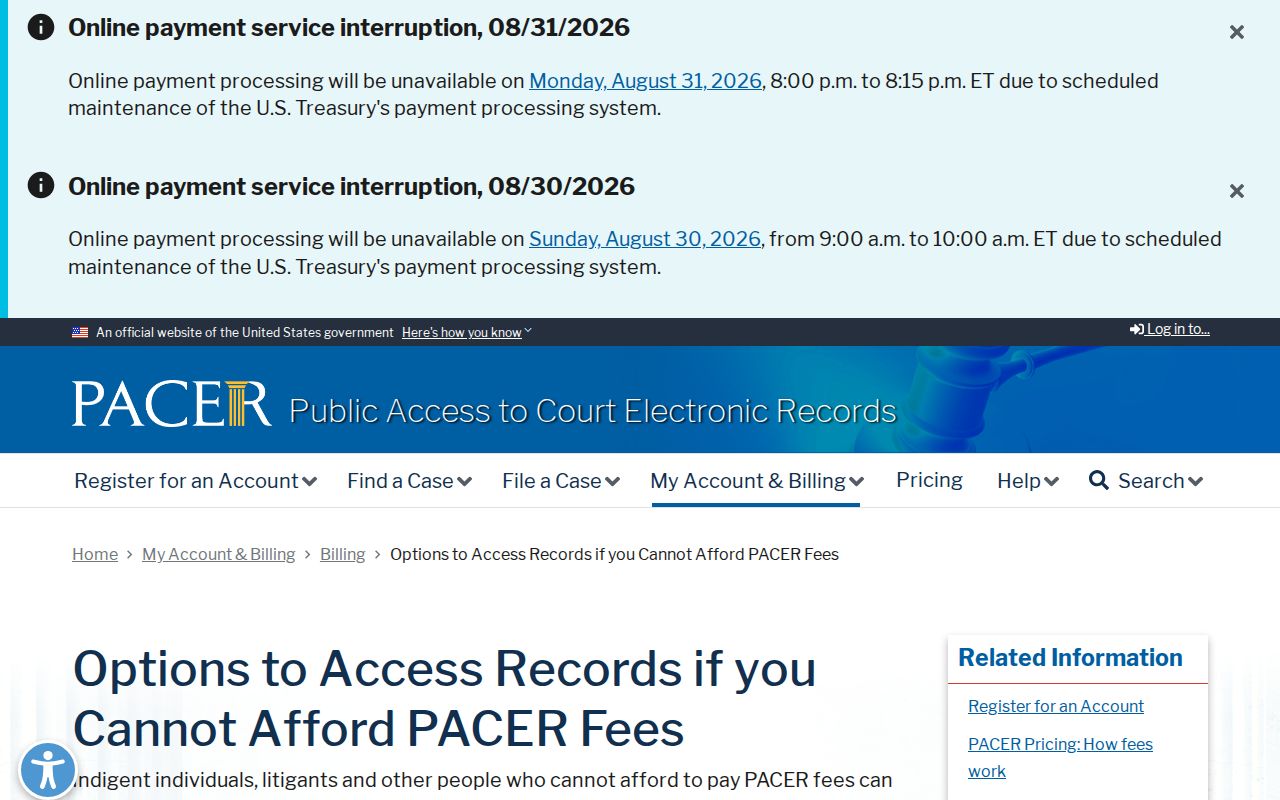
Those options are relevant only after confirming that the Cortland-related matter is federal.
Cortland Court Record Access Rules
Nebraska's public electronic access can include indexes, case summaries, Registers of Actions, calendars, and qualifying images. Court filings stay public unless a statute, rule, or order restricts them. For an older file, or a remote result you doubt, use the courthouse terminal or ask the clerk. Certified copies come only from the court itself.
Key Rules:
Neb. Ct. R. § 1-805 governs public electronic court information.
Neb. Ct. R. § 2-215 provides for public view of unrestricted filings.
Neb. Rev. Stat. § 84-712 supports inspection and copying subject to exceptions.
Juvenile, sealed, witness, and other confidential details can be left out of public results. A blank search never explains why.
Cortland Court Docket Confirmation
Check before you trust any Cortland court result. Compare the case number, the court type, the caption, and the latest Register entry. JUSTICE can display a court record before a calendar change shows up, and a paper notice may still be the first direct word of an appearance. When in doubt, County Court staff can tell you which setting is current and whether a document is available for copying.
No case showing up? Run through the usual suspects: the 24-hour update window, party spelling, court level, and year. The record may also be restricted or older than the electronic coverage. The courthouse terminal and the clerk are part of the documented access chain, not just a fallback after an online result looks good.
This confirmation path keeps Cortland's village identity in view. It assigns the village no court portal that official sources lack. Records questions go straight to the clerk who can locate the actual file.
Cortland Court Docket Details
Read a Cortland court result as a chronology, not a verdict. The Register of Actions keeps each step distinct. It separates a filing from a hearing, an order, a reset, a financial entry, and a final disposition. A balance owed is not an outcome. When a court code or event label is unfamiliar, keep the case number handy. Ask the County Court clerk what the court meant. Do not guess from shorthand.
A file can also hold a setting that moved forward without dropping an older date. That is why a Cortland date search works best with a side-by-side check. Compare the citation, the calendar, and the newest Register event. That local sequence points records questions to the court that actually holds the file.